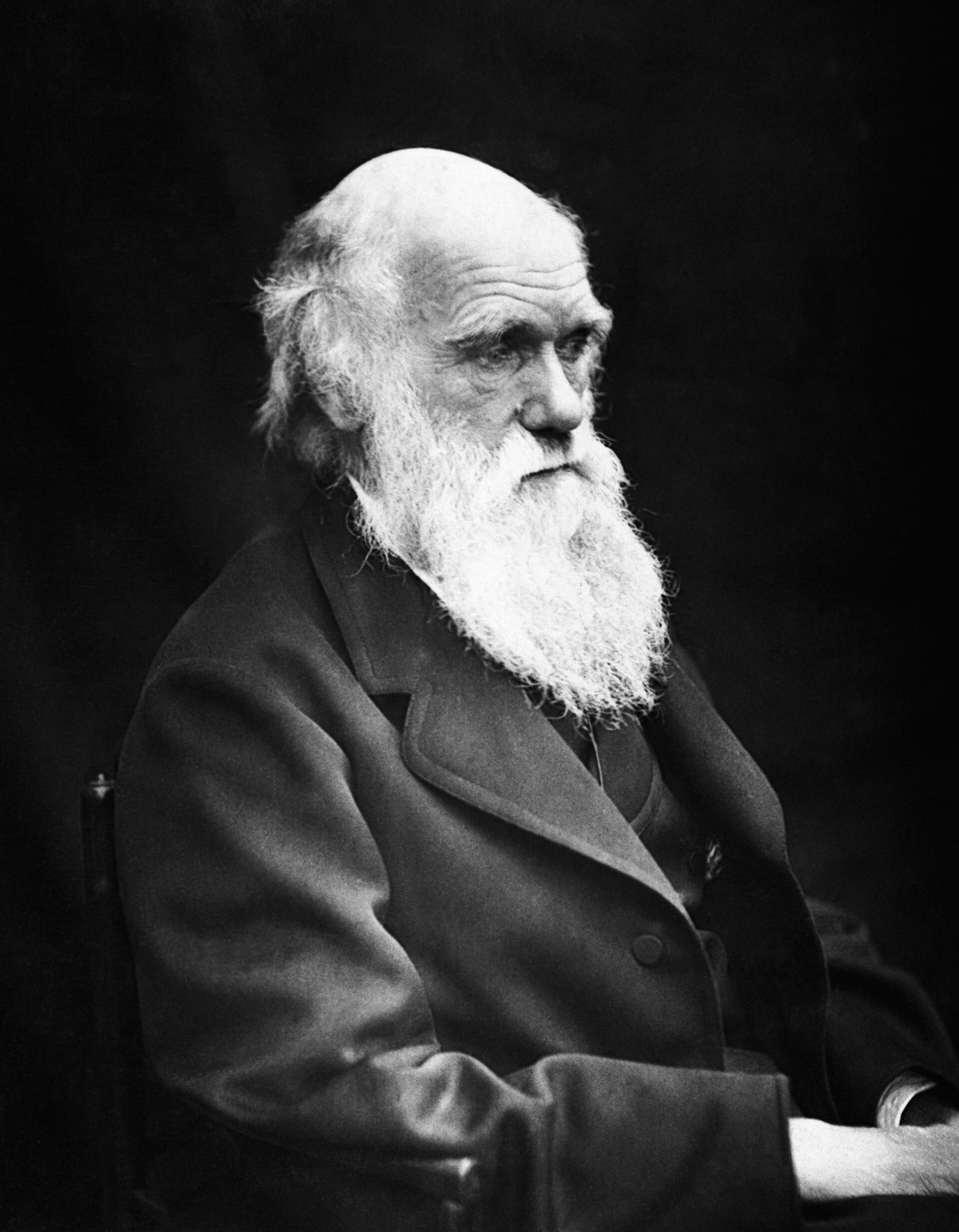
Charles Darwin
Darwin's science

How nature invents the impossible

No animal decides to evolve. Random inherited variations accumulate over millions of years, and the traits that improve survival remain. That is natural selection - and it produced abilities that look like magic. These are its real engineers.
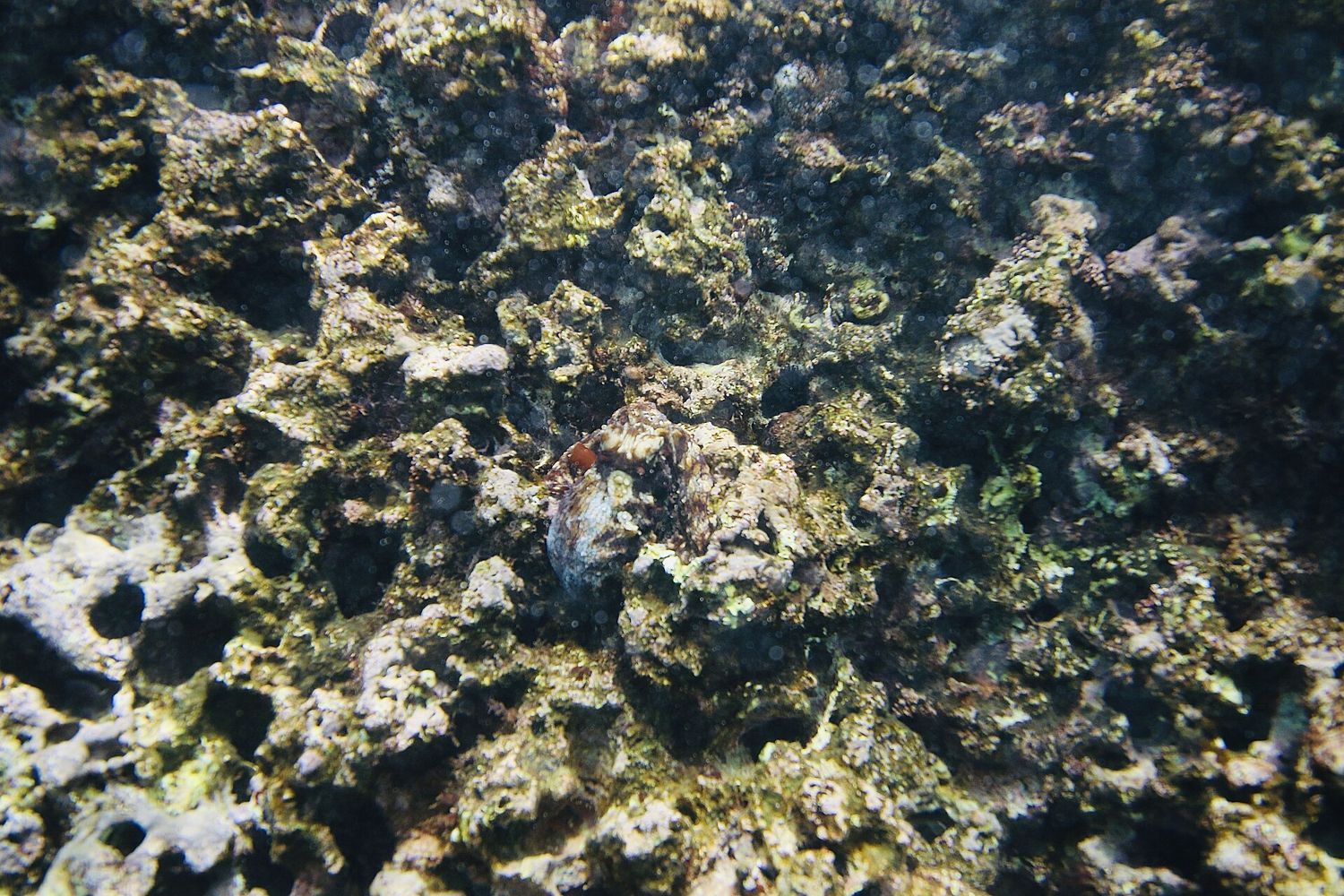
Octopus camouflage
Cephalopod · camouflage

The octopus vanishes

Skin that rewrites its own colour and texture in milliseconds - a living display evolved to disappear into any background.
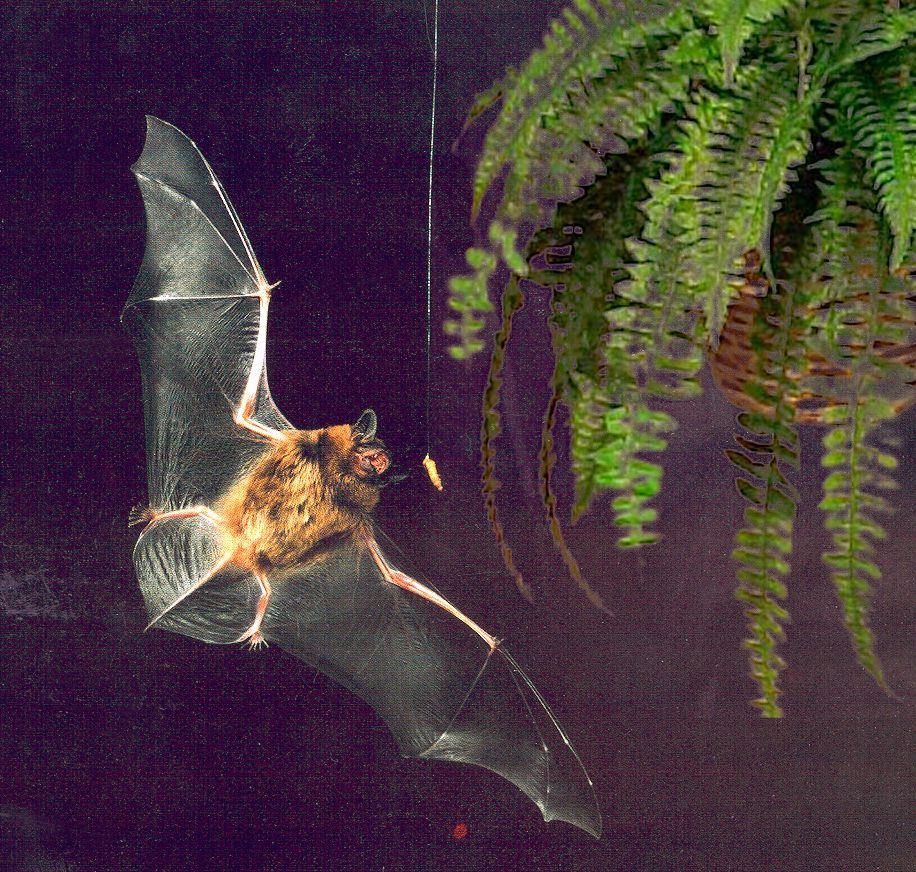
Bat in flight
Chiroptera · echolocation

The bat sees with sound

Flight plus biological sonar: it maps the dark by echo, hunting insects it never has to see.
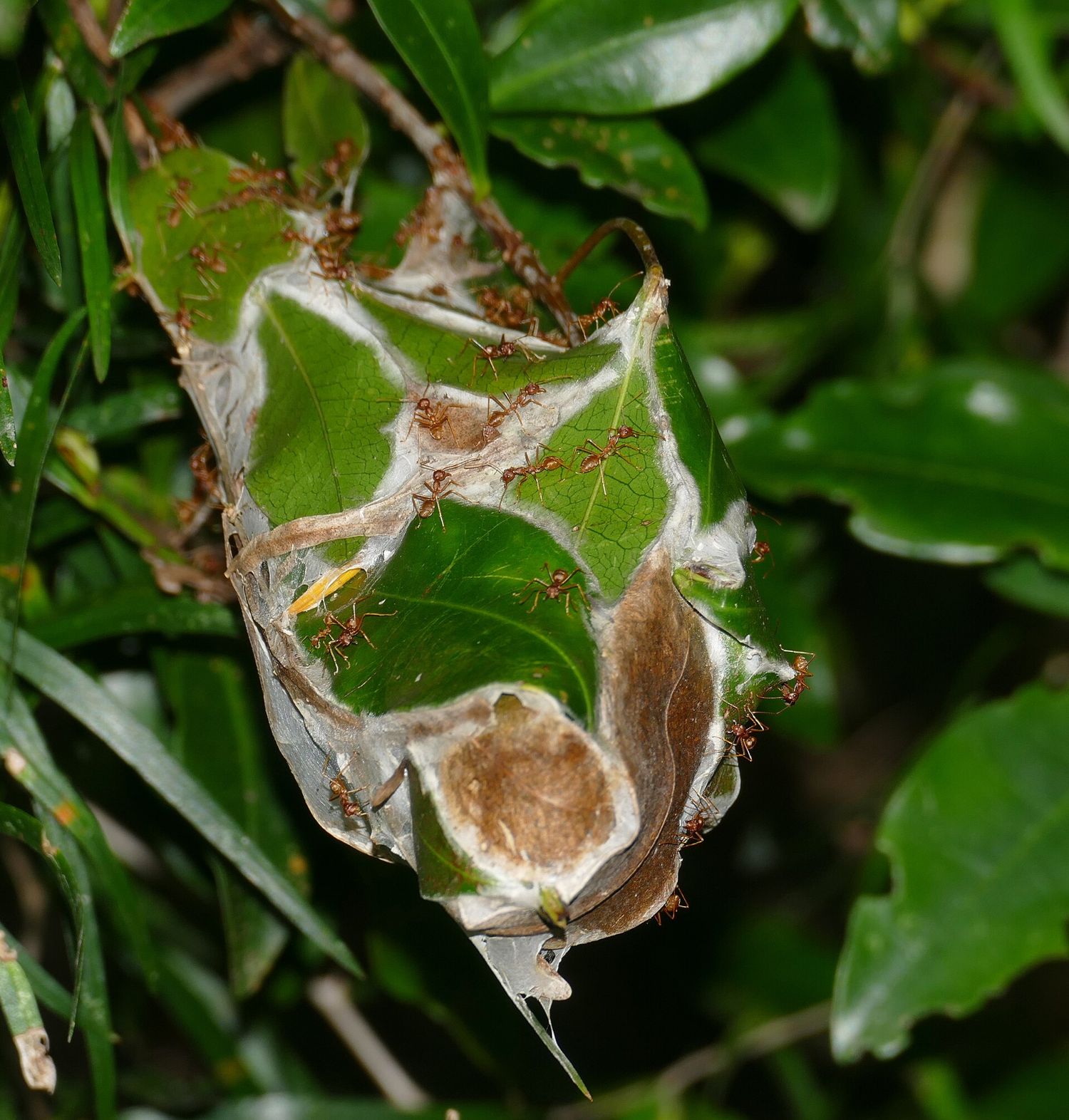
Weaver ant swarm
Formicidae · the swarm

Ants think as a colony

Weaver ants build living nests with no leader - intelligence that emerges from thousands of simple local decisions and chemical trails. This is the model for agent swarms.
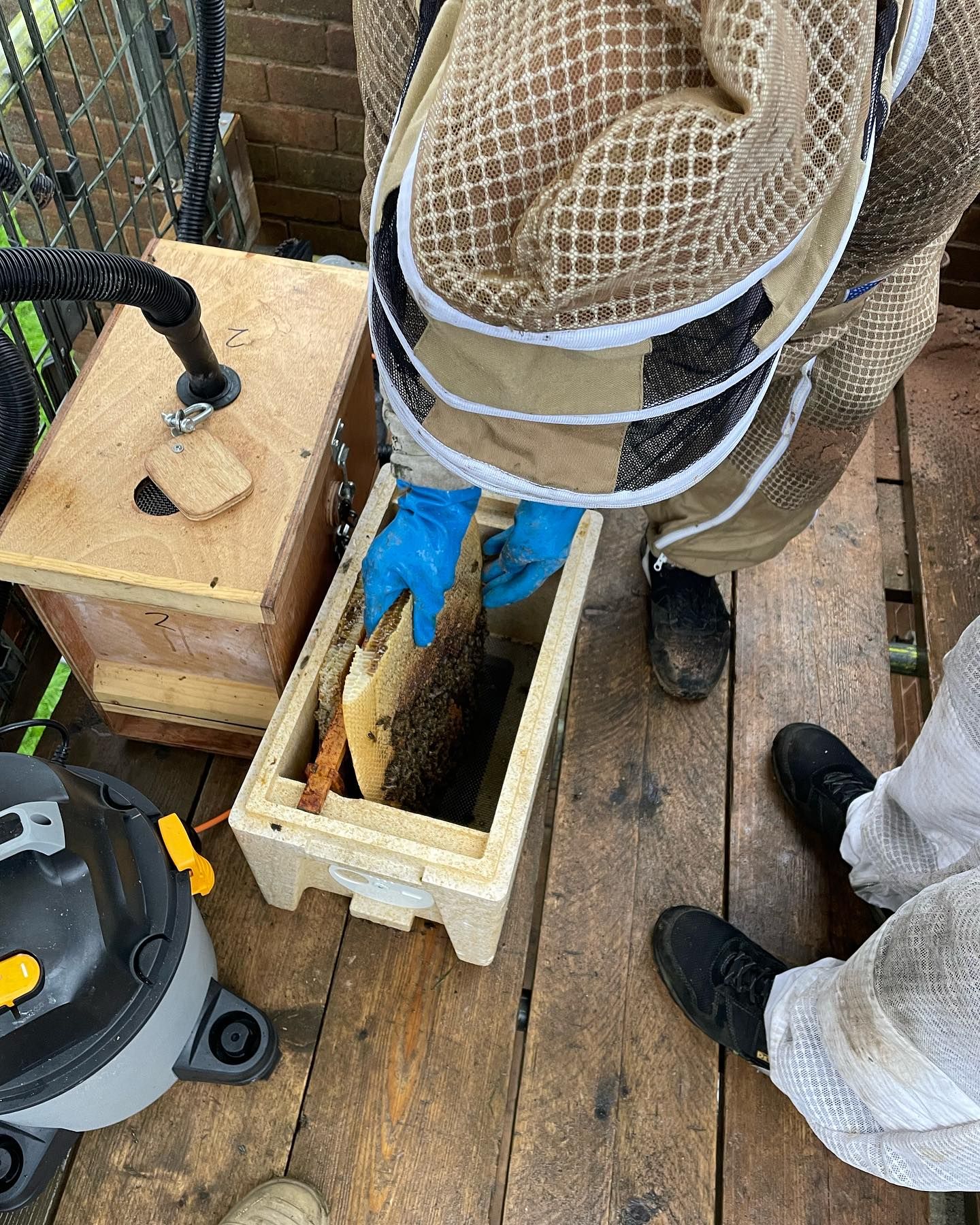
Bee hive honeycomb
Apis · the hive

Bees engineer the hive

Perfect hexagonal comb, built collectively for maximum storage with minimum wax - optimisation discovered by selection, not by design.

The mechanism

Small changes, deep time

Muscles already carry tiny electrical signals. Across countless generations, ordinary cells specialised - cell by cell - into electrocytes, organs that generate real voltage, because in dark, conductive water it paid to have them. Nothing was planned; the useful simply outlived the useless.

Humans took a different path. Instead of evolving electric organs, we built batteries, medicine, machines and computers - replacing slow biology with fast technology. DarwinX is that technology turned onto intelligence itself.
See how this maps to AI →Read the full Q&A
Interactive · the steps of evolution

Watch complexity emerge, step by step

Advance the steps and the 3D form grows more complex - exactly as life did. Toggle between the tree of life and the human line, and drag to orbit.